




14 Mar Brownfield vs Greenfield Development: What’s the Difference?
Brownfield vs Greenfield sounds like planning jargon, but it really comes down to one question: has the land been built on before or not. Once you understand that, it is much easier to work out what kind of site you have, how planners will see it and what the development risks might be. This guide explains Brownfield vs Greenfield in plain English so you can make better decisions as a landowner, investor or agent.
What is brownfield land?
In planning terms, brownfield land is usually land that has been previously developed, often with permanent buildings or hard surfaces like factories, offices, garages, car parks or old yards. You mostly find these sites in towns and cities, or on the edge of settlements where older commercial or institutional uses have closed and been left empty.
Brownfield is sometimes called “previously developed land” in official documents, and it gets special attention in policy because reusing it can reduce pressure to build on open countryside. Councils are encouraged to identify suitable brownfield plots for housing and regeneration, and many local plans talk about a “brownfield first” approach.
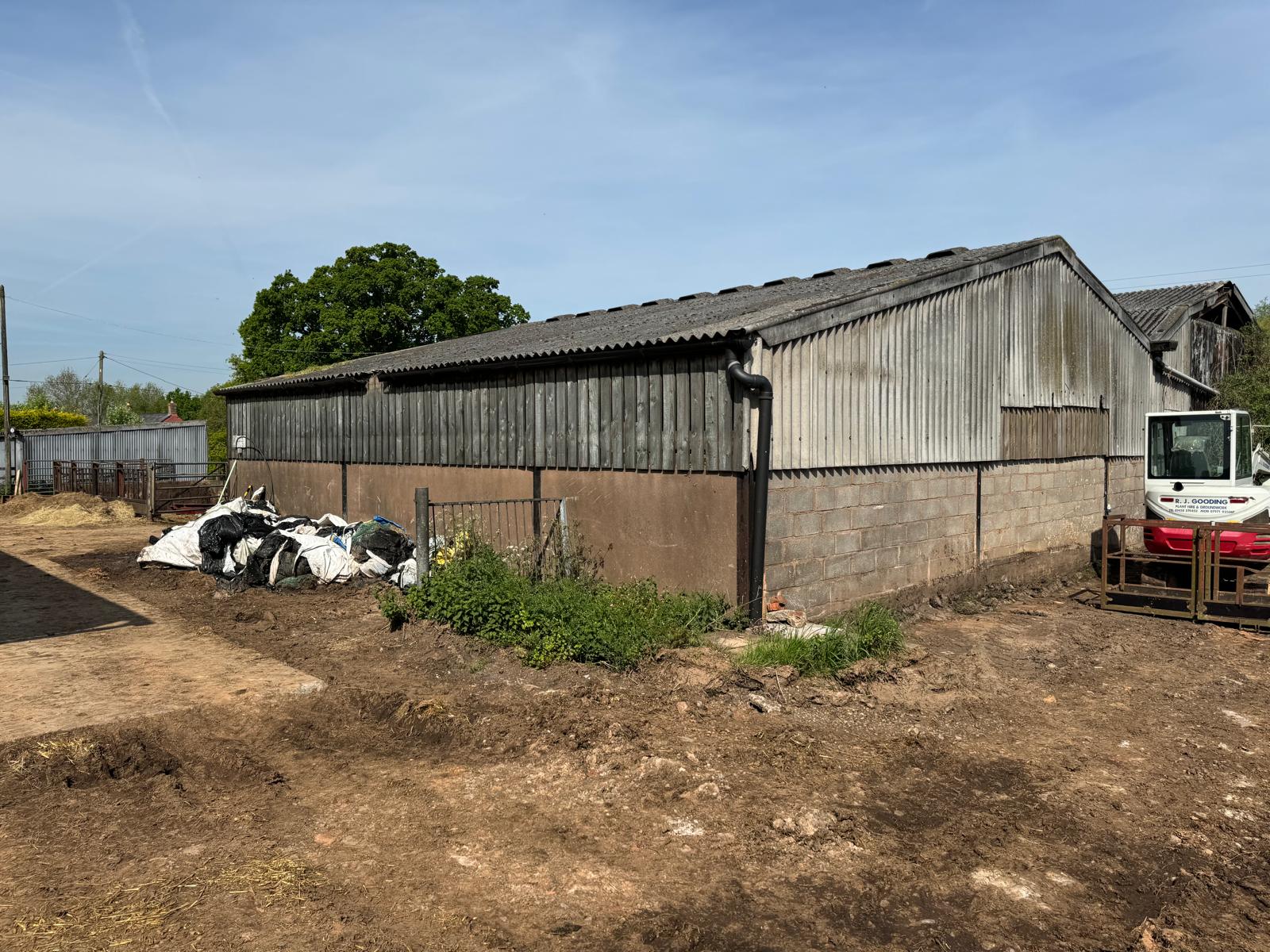
In real life, brownfield can mean anything from a derelict industrial site or disused garage court to a vacant gap between shops in a town centre. William Abbott Group’s own posts talk about overlooked urban land and underused plots with hidden potential, especially where they sit close to existing communities and infrastructure.
What is greenfield land?
Greenfield land is land that has not been built on before and still looks like open land. It is often farmland, paddocks, meadows or general countryside on the edge of towns and villages, and sometimes parks or playing fields in or near built up areas.
Greenfield is mainly a description of what the land looks like rather than a strict legal label, and it should not be confused with Green Belt. Green Belt is a separate planning policy that protects certain areas around towns and cities, and not all greenfield land is in the Green Belt. You can even have previously developed sites in the Green Belt that still count as brownfield in planning terms.
For developers, greenfield sites often feel like a blank canvas, because you are not working around old buildings or structures. That makes it easier to design a layout with modern streets, good parking, proper green space and drainage all planned from scratch.
Brownfield vs Greenfield: the key differences
When you are comparing Brownfield vs Greenfield, the main difference is previous use. Brownfield has already been built on or used for a significant use in the past, while greenfield has not. That one point affects planning policy, costs, timescales and the kind of scheme that is likely to work.
Brownfield sites are usually more central or urban, sitting close to existing homes, jobs, shops, schools and public transport. Greenfield sites tend to sit on the edge of settlements or in more rural locations, with more space but often less existing infrastructure. Brownfield fits naturally with regeneration and town centre renewal, while greenfield is more about planned growth and new neighbourhoods.
In planning terms, Brownfield vs Greenfield is often not an equal fight. Policy in the UK usually leans in favour of brownfield, because it reuses land and can reduce sprawl into open countryside or Green Belt. Greenfield development is still possible but tends to face closer scrutiny, especially where it affects valued landscapes or wildlife rich sites.
Why planners like brownfield in Brownfield vs Greenfield decisions
When planners look at Brownfield vs Greenfield options, they often prefer brownfield because it solves several problems at once. It brings underused or derelict land back into use, improves how places look and feel and makes better use of existing roads, utilities and services.
National and local policies highlight brownfield as a key part of meeting housing need, especially in urban areas and regional centres. Brownfield land registers, regeneration funding and supportive wording in local plans all push in the same direction: if a brownfield site is suitable, councils are encouraged to help bring it forward.
From an environmental angle, brownfield development is often seen as the more responsible side in the Brownfield vs Greenfield debate, because it focuses on land that has already been disturbed instead of breaking new ground. Compact brownfield schemes close to transport can also help reduce car use and support low carbon living.
Brownfield vs Greenfield: pros and cons for developers
When you are weighing up Brownfield vs Greenfield as a developer or investor, both sides have clear upsides and risks.
On the brownfield side, you often have better planning support, existing roads and services and locations where demand is strong. Urban brownfield schemes can reach good sales and rental values thanks to walkable locations and established neighbourhoods. The downside is technical: contamination, old structures, complex boundaries and awkward site shapes can all add cost and uncertainty.
On the greenfield side, you usually start with simpler ground conditions and fewer physical constraints, which makes design and phasing more straightforward. You can shape a modern layout with good open space and family friendly streets, and you are not working around existing buildings. The trade off is that you may need to fund more new infrastructure, face more sensitive planning tests and handle stronger local objections.
Brownfield vs Greenfield in the South West and beyond
In the South West and across the UK, Brownfield vs Greenfield is not an either or question anymore. Towns and cities need brownfield regeneration to bring life back into central areas, while some carefully chosen greenfield sites help deliver new homes where brownfield supply is limited.
William Abbott Group’s own content highlights both sides of this picture: unlocking hidden potential in overlooked brownfield land and delivering sensitive, sustainable schemes on rural plots with strong local connections. That mix reflects wider trends in the region, where sustainable growth means using brownfield intelligently while being very selective about which greenfield sites come forward.
How William Abbott Group handles Brownfield vs Greenfield sites
William Abbott Group is a South West based developer and investor that takes projects from land strategy through planning, construction and final delivery via its Innobuild arm. Sustainability, low energy design and community impact sit at the heart of the brand, with a clear focus on long term value rather than quick wins.
Campaign material shows the group is actively seeking both brownfield and rural sites across Somerset and the wider region. On the brownfield side of Brownfield vs Greenfield, it typically looks for central plots suitable for around 10 to 100 apartments, often built to rent and well connected to local services. On the greenfield side, it focuses on smaller rural or edge of settlement plots of roughly 5 to 35 homes, designed as low energy, eco friendly extensions of existing villages and towns.
How to tell where your site sits in Brownfield vs Greenfield terms
If you are not sure which side of Brownfield vs Greenfield your land sits on, start with history. Ask whether the site has ever been used for permanent buildings or major structures such as industrial units, offices, schools, depots or big car parks. If it has, it may well be classed as previously developed in planning terms, even if the buildings have since been removed.
Next, check your council’s local plan, interactive maps and any brownfield land register to see how they label the site and what policies apply. You are looking for clues such as “previously developed land”, settlement boundaries, countryside designations, Green Belt and other constraints.
Finally, look at the context. Is your site surrounded by existing buildings and streets or by open fields and wider countryside. Even where the definition is a bit grey, this sense of place will heavily influence how planners view Brownfield vs Greenfield proposals on your land.
Practical steps if you have a potential Brownfield vs Greenfield opportunity
If you own or represent land and think it might have development potential, it helps to follow a simple process before making big commitments. First, pull together the basics: address, site area, current use, any known past use and copies of title plans plus any old planning decisions.
Second, do a quick policy check online to see whether your site looks more Brownfield vs Greenfield in the council’s eyes and what that might mean for the chances of getting consent. Third, speak early to a specialist developer or planning consultant who understands both types of land, local policy and the realities of funding and delivery.
William Abbott Group invites landowners and agents in Somerset and the wider South West to get in touch with potential brownfield or rural sites, and uses in house expertise to review each site’s prospects, planning strategy and partnership options. That kind of early conversation can make Brownfield vs Greenfield feel far less abstract and give you a clear sense of what is realistic before you invest heavily in reports or applications.